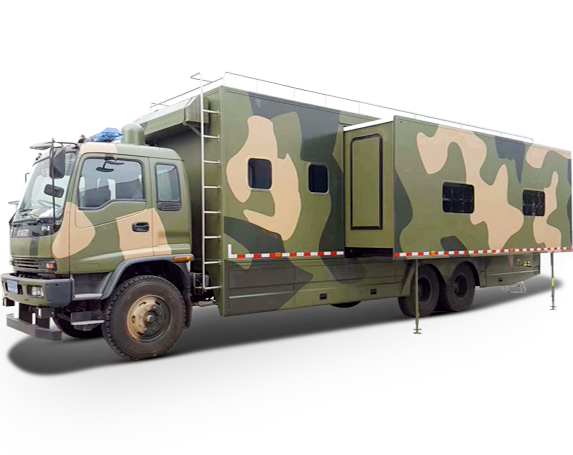
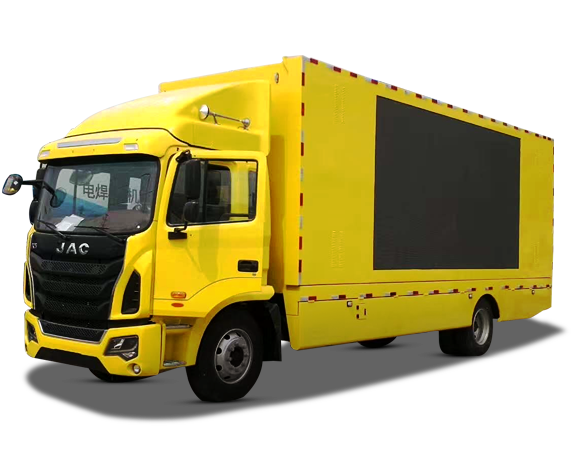
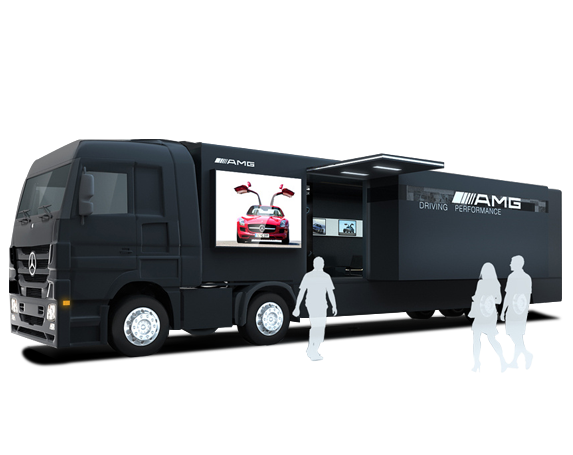
Once a customer selects a mobile stage model, the main stage size, structure and deployment method are already defined. For an export project, however, this does not always mean the same configuration can go directly into production.A mobile stage has to work at the event site and also travel on the road. The destination, transport and towing conditions, local power supply, and requirements for LED screens, lighting and audio equipment can all affect the final configuration.This does not mean every export project needs a new design. In most cases, an existing model provides the base, and the final details are confirmed according to the project.
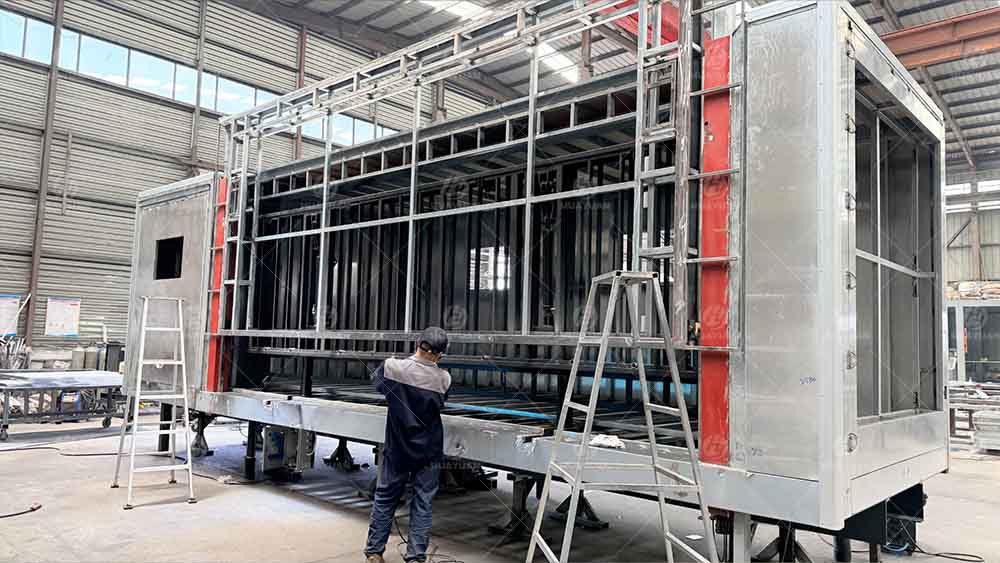
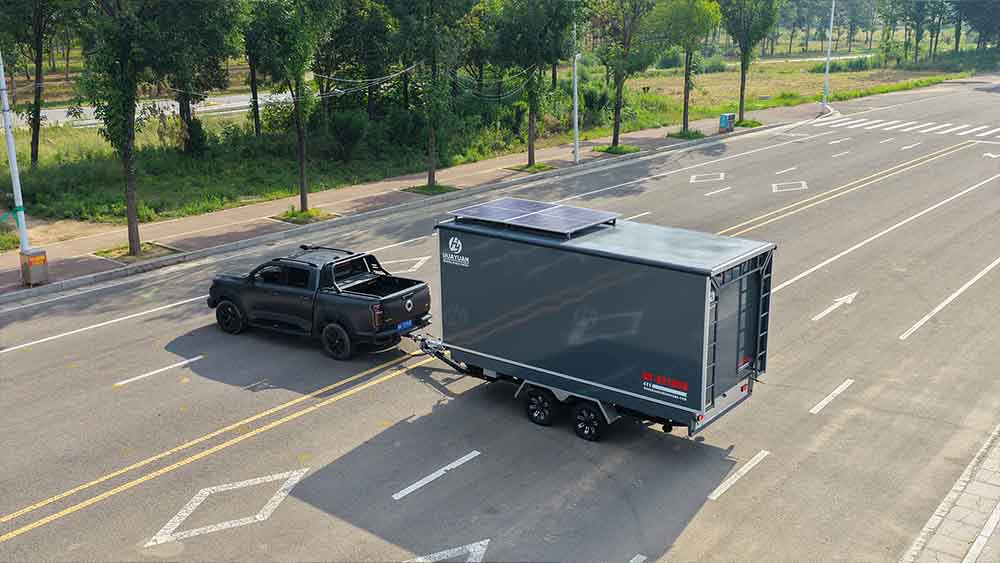
A mobile stage has two very different working states: transport and deployment.Customers usually start by looking at the opened stage size, roof height and available performance space. Before production, we also need to consider the length, width and height in transport position, as well as how the unit will be transported or towed.For mobile stage trailers and semi-trailers, vehicle-related items such as the towing or connection method, braking system and road lighting also need to be confirmed for the specific project.This means the main stage structure may remain based on the same model, while some vehicle-related details may need to be confirmed again for a different destination or operating condition.
Event equipment is another part of the project that needs to be discussed before production.Knowing that a customer needs LED screens, lighting or audio is only the starting point. The size and weight of the equipment, where it will be installed and how it will be powered are more useful when confirming the final configuration.For example, an audio system placed on the stage floor and one installed at a separate speaker position use the stage space differently. A change in LED screen size or installation position can also affect the related mounting requirements.The electrical system needs the same attention. The available site power, equipment installed on the stage, single-phase or three-phase requirements, and any need for an independent power source should be considered together.Confirming these details before production makes the structural, electrical and equipment installation plans much clearer.
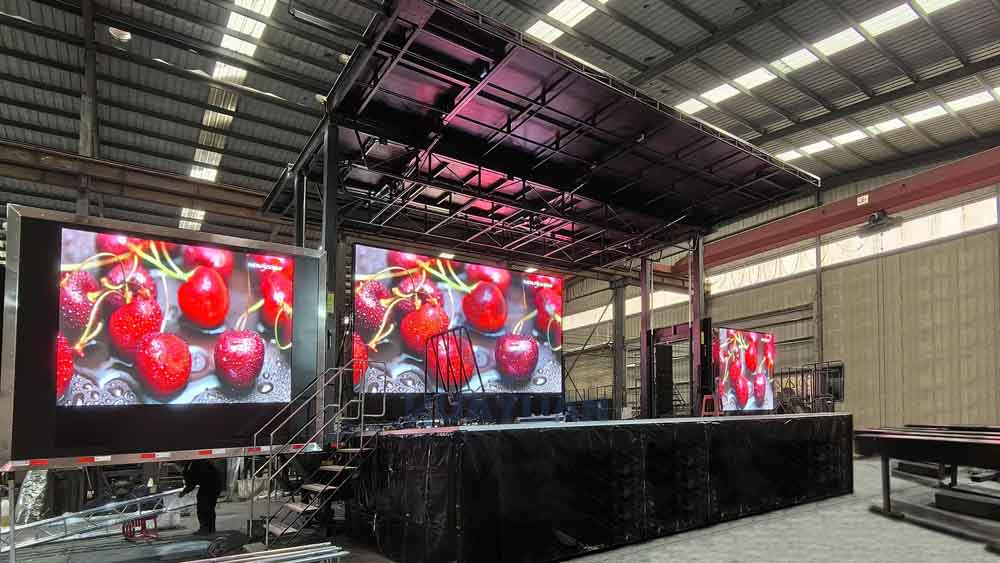
HUAYUAN mobile stage models already have defined main structures, stage dimensions and basic functions. After a model is selected, the final production configuration is confirmed according to the destination, transport method, event equipment and power requirements.Some projects can use most of the standard configuration, while others may require changes to only a few items.So when the same mobile stage model is supplied to different countries, the goal is not to create a different version simply because the destination has changed. The goal is to make sure the final configuration matches how and where the stage will actually be used.