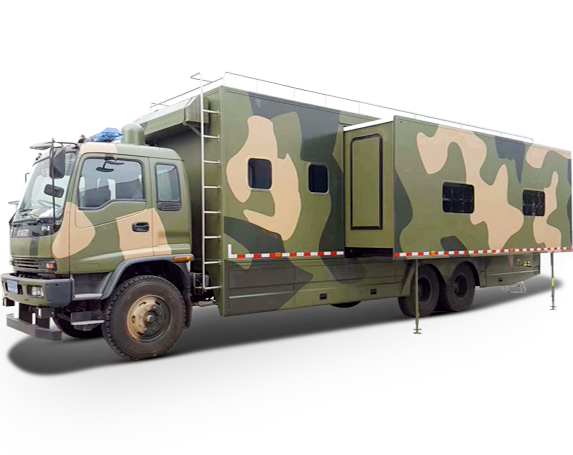
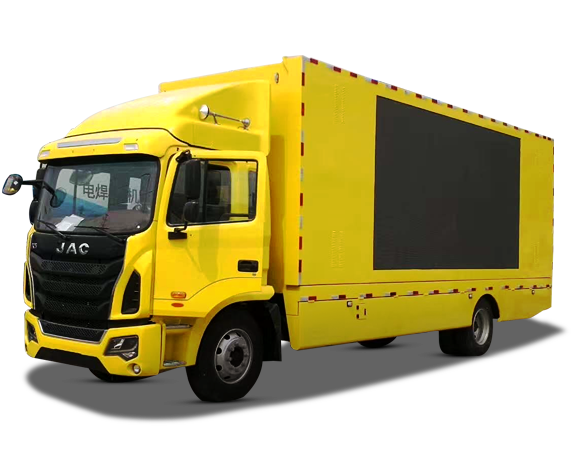
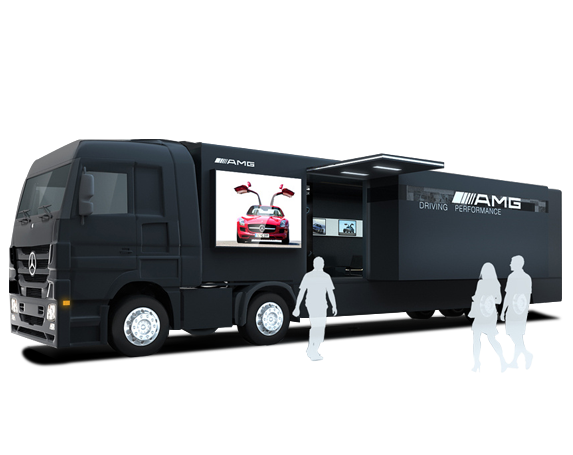
Roadshow vehicles are used for many types of mobile campaigns, from product launches and brand promotions to public events and touring activities. But not every project needs the same type of vehicle.
A roadshow truck and a roadshow semi-trailer can both carry LED screens, stages and event equipment. The main difference is the size of the platform and how the vehicle will be used during the campaign.
The best place to start is not the vehicle model. Start with the event itself: how often will the vehicle move, how much stage space is needed, and what equipment will be used at each stop?
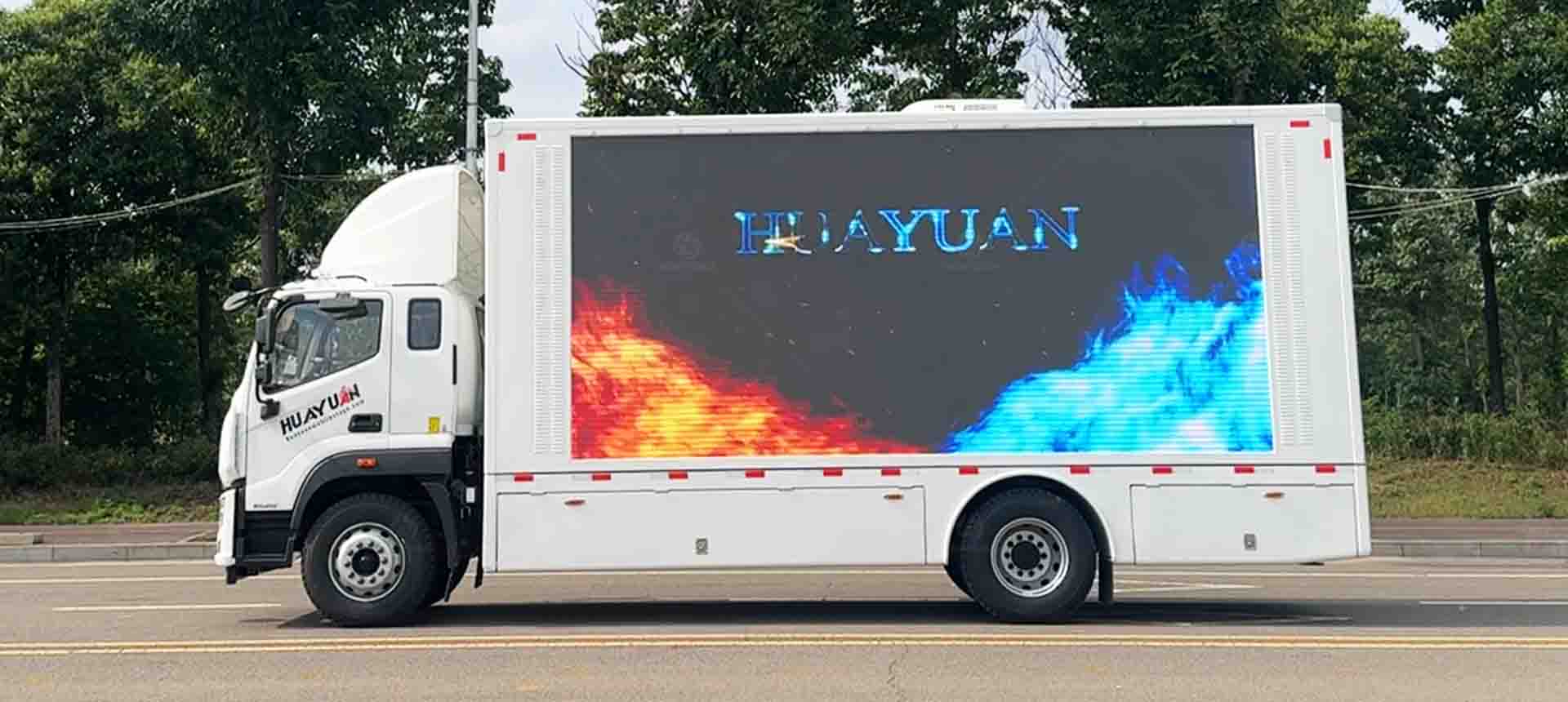
A roadshow truck is a good option for campaigns that move regularly between different locations.
The LED screen, stage and other equipment are built around the truck chassis. Once the vehicle arrives at the site, the event area can be opened and prepared for presentations, promotions or other activities.
For example, the LR245 has a 7.1 × 3.1 m stage. The larger LR315 has a 9.1 × 3.1 m stage, giving more room for presentations and live activities.
This type of roadshow vehicle is useful when the campaign includes several stops. After one event is finished, the stage and equipment can be closed and the truck can move on to the next location.
For brand tours, public campaigns and product promotions, this keeps the main event functions together on one vehicle.
Some projects simply need more space.
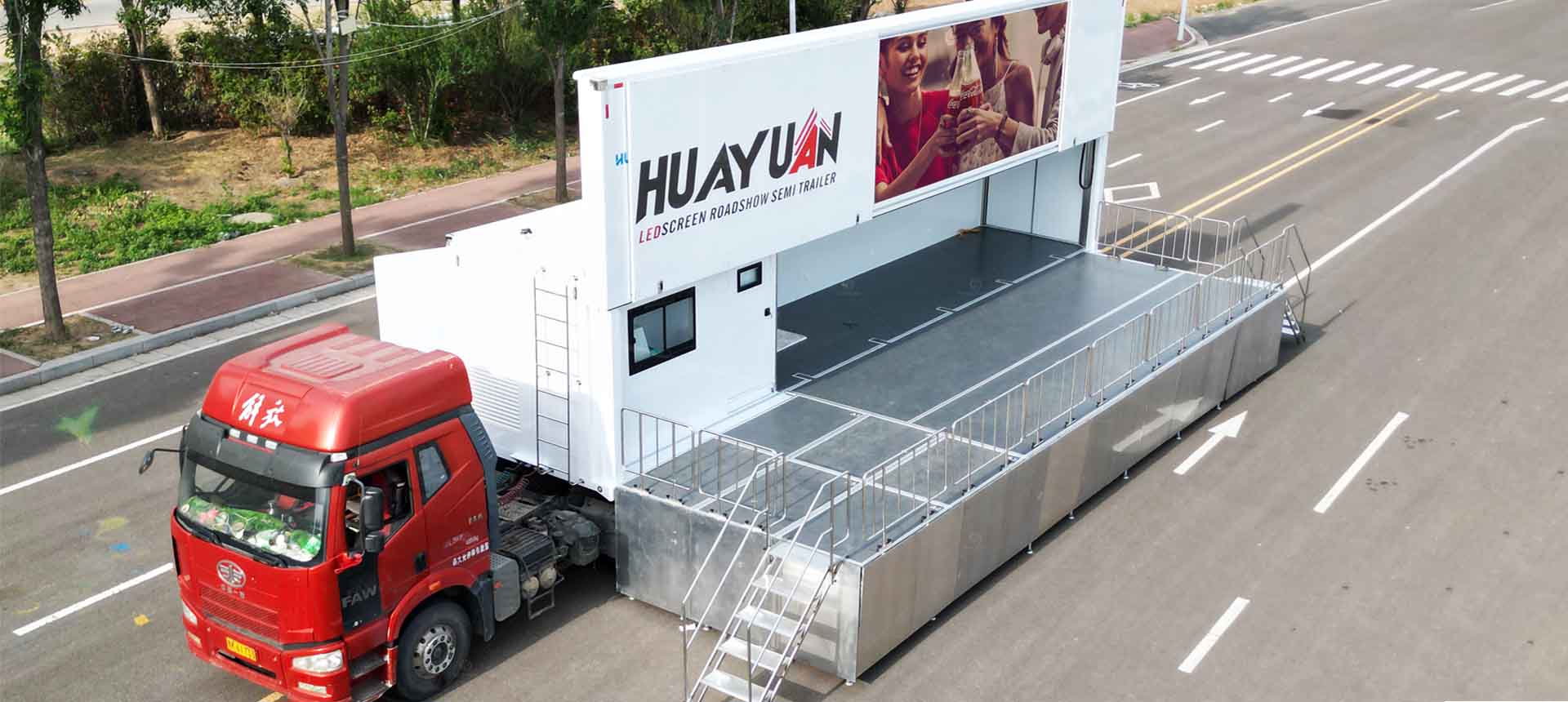
A larger promotional event may need a wider stage, a larger LED display or more room for event equipment. In this case, a roadshow semi-trailer can provide a larger working area than a truck-based roadshow vehicle.
The LR425, for example, uses a 13 m semi-trailer platform. It combines a 9 × 3.2 m stage with a 5.44 × 2.24 m LED display, giving event teams more space for presentations, promotions and live activities.
The semi-trailer format is also useful for campaigns where the vehicle will stay longer at each location. The larger platform gives more room to arrange the stage, LED screen, audio, lighting and other equipment around the needs of the event.
It still moves between locations, but the focus is different. A roadshow truck puts more emphasis on the truck-based format and frequent movement, while a roadshow semi-trailer gives more space to the event setup.
There is no need to choose based on vehicle size alone.
A roadshow truck is worth considering when the campaign will move frequently and the required stage and equipment can fit within a truck-based layout.
A roadshow semi-trailer makes more sense when the project needs a larger event area, more equipment space or a bigger overall setup.
Before choosing a model, it helps to confirm a few basic points:
You do not need to prepare a complete technical plan before contacting HUAYUAN. Tell us the country of use, the type of campaign and the main functions you need. We can then discuss whether a roadshow truck or roadshow semi-trailer is the more suitable starting point.