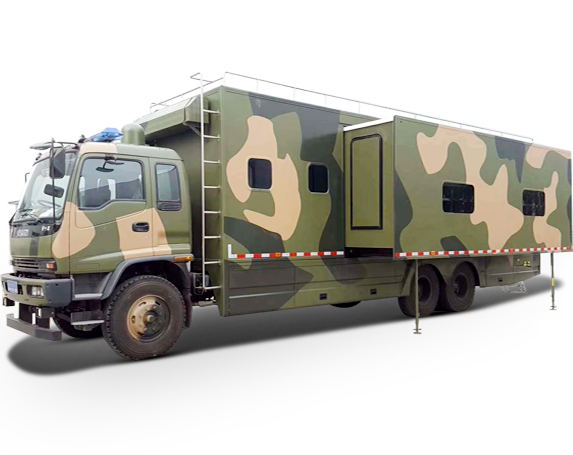
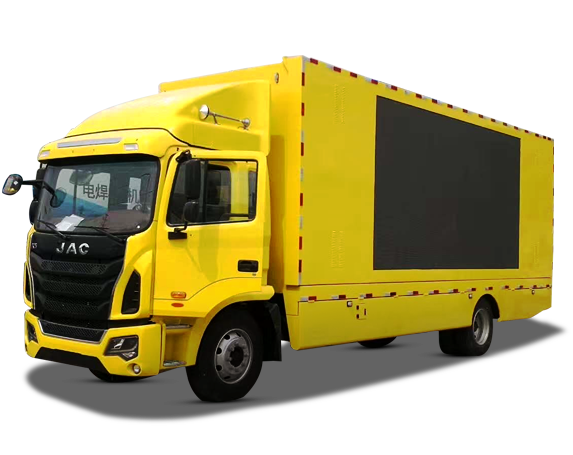
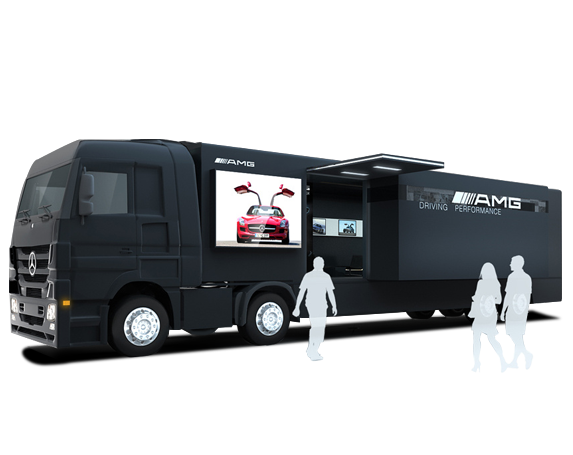
A solar-powered roadshow truck can combine solar generation, battery storage, and a backup generator to supply power to its onboard equipment. Solar energy is prioritized, battery storage supplements the supply when solar generation is insufficient, and the backup generator provides additional support when preset control conditions are met. This approach brings multiple power sources together in one mobile platform for outdoor events and promotional activities.
For a roadshow truck equipped with an LED display, hydraulic stage, audio equipment, and other onboard systems, power planning involves more than choosing the solar panel capacity. Battery storage, equipment loads, and backup power also need to be considered.
HUAYUAN's LR245S Solar-Powered Roadshow Truck incorporates this multi-source power management approach into its design.
Solar panels convert sunlight into electricity, but actual generation varies with sunlight, weather, and installation conditions. At the same time, onboard equipment such as LED displays, audio systems, lighting, and air conditioning creates different power demands.
The installed capacity of solar panels does not represent a constant power supply throughout the day. When solar generation cannot meet the equipment's power demand, additional sources may be needed.
For this reason, the LR245S design combines solar generation with battery storage, a backup generator, and an external power connection. Each source serves a different purpose within the overall power system.
The LR245S power system is designed around solar-priority operation, with battery monitoring, generator control, and external power included in the overall configuration.
Solar generation: The solar panels provide available electricity for the vehicle's electrical loads. Any surplus available energy can be used to charge the battery.
Battery storage: When solar generation is insufficient, the battery can supplement the power supply. This helps provide electricity without relying immediately on another source.
Backup generator: According to the LR245S system design, the generator is configured to start automatically when the battery reaches a preset low-charge threshold. It can support connected loads and recharge the battery according to the configured control settings.
External power: Where a suitable three-phase supply is available at the event site, the truck can also connect to an external power source.
Each source has a different role. Actual operation depends on the final equipment configuration, control settings, sunlight conditions, and electrical loads.
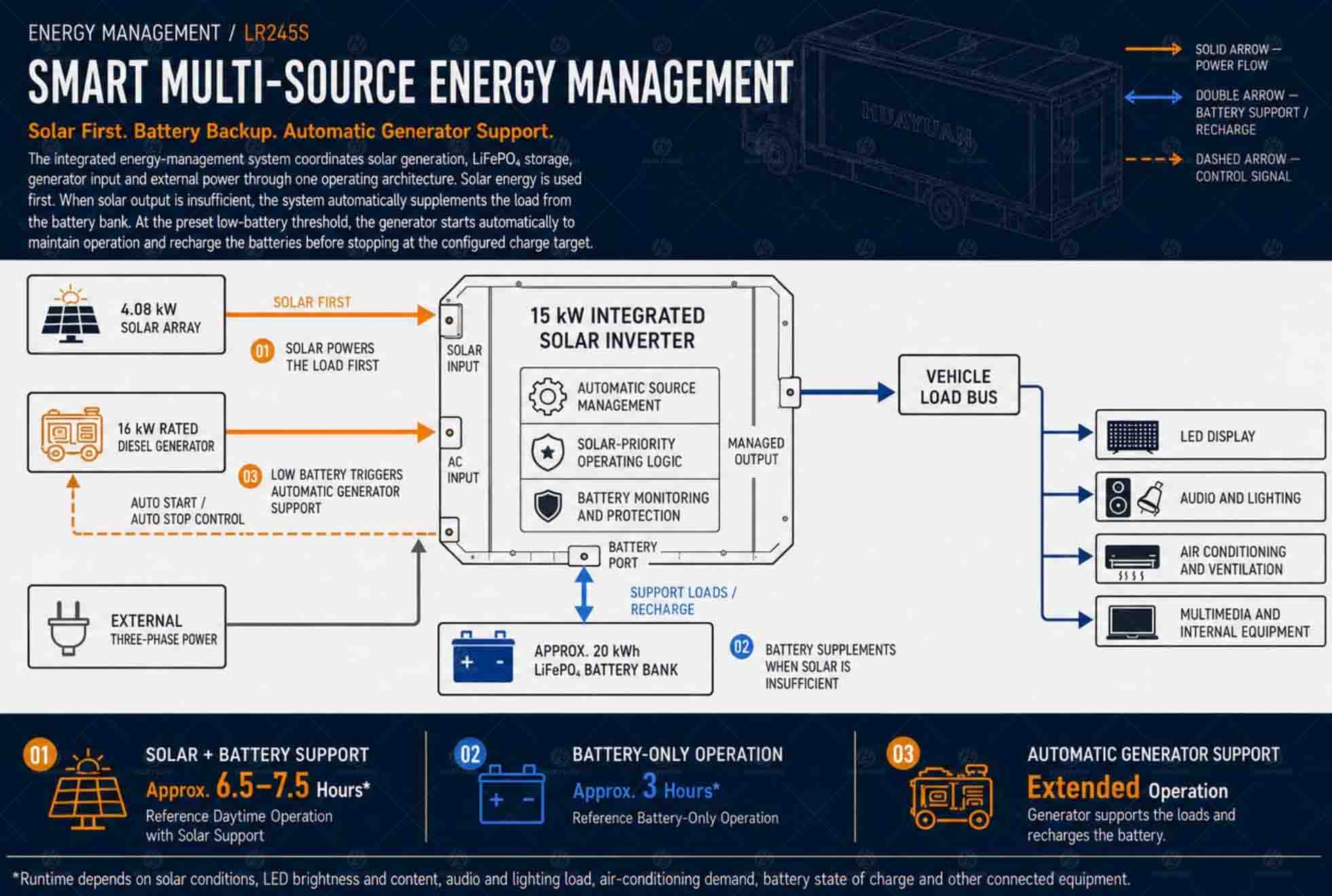
The LR245S integrates solar generation and battery storage into a roadshow truck, alongside backup generator and external power options.
Its main design specifications include:
| Item | Specification |
|---|---|
| Solar panels | 6 × 680 W |
| Installed solar capacity | 4.08 kW |
| Battery storage | Approx. 20 kWh, LiFePO4 |
| Integrated solar inverter | 15 kW |
| Backup generator | 16 kW / 20 kVA rated output |
| LED display size | 5,440 × 2,560 mm |
| Nominal deployed hydraulic stage size | 6,000 × 5,400 mm |
In addition to the power system, the LR245S integrates an LED display and hydraulic stage for mobile presentations, brand promotions, public communication, and other outdoor activities.
The design focuses on combining power generation, energy storage, display equipment, and staging in one vehicle rather than simply adding solar panels to a conventional roadshow truck.
Before selecting solar capacity, battery storage, and generator output, buyers should clarify several aspects of the intended application.
1. Which equipment needs to be powered?
The combined power demand of the LED display, audio system, lighting, air conditioning, and other onboard equipment should be considered when planning the electrical system.
2. How many hours will the equipment operate each day?
Operating schedules and equipment usage affect total energy requirements. The power configuration should be assessed against the expected operating time rather than estimated from battery capacity alone.
3. What power sources are available at the event site?
If a suitable external power supply is available, it can be considered as part of the power plan. Where reliable site power is unavailable, the solar, battery, and generator configuration needs to be assessed accordingly.
4. What requirements apply in the destination market?
Vehicle dimensions, gross vehicle weight, electrical configuration, and transport requirements should be confirmed for the destination market and project.
Providing this information during the quotation process helps the manufacturer determine whether the proposed configuration suits the intended application and identify any requirements that need further review.
HUAYUAN manufactures mobile stages and roadshow vehicles according to project requirements. The LR245S builds on the company's existing roadshow vehicle design and manufacturing experience, incorporating solar generation, battery storage, and multi-source power management.
The main technical design has been completed, and the LR245S is available for custom orders. Customers can discuss the intended application, equipment requirements, and destination market with HUAYUAN to determine the appropriate configuration.
For projects requiring an integrated LED display, hydraulic stage, and multi-source power system, the LR245S offers another configuration option for mobile events.
For specifications and customization enquiries, visit the HUAYUAN LR245S Solar-Powered Roadshow Truck product page.